Skip to content

If you are missing a tooth (or several), it is normal to want a solution that feels stable, looks natural, and lets you eat comfortably again. Gaps in your smile can affect more than appearance. They can change how you chew, how you speak, and even how confident you feel in everyday conversations. Dental implants can check all of those boxes, but the best results start with good planning rather than rushing into treatment. At Dr. Joseph Field’s practice, implants are designed to restore strength, appearance, and function using a step-by-step process tailored to your needs.
Below are five practical dental implant considerations to think about before you commit, so you can walk into your consultation feeling prepared, not overwhelmed.
1) Your Bone And Gum Health Matter More Than People Think
A dental implant is placed into the jaw as a titanium post that supports the replacement tooth, and it relies on healthy bone and gums for long-term stability. If you have had missing teeth for a while, you may have some jawbone shrinkage, which is common over time.
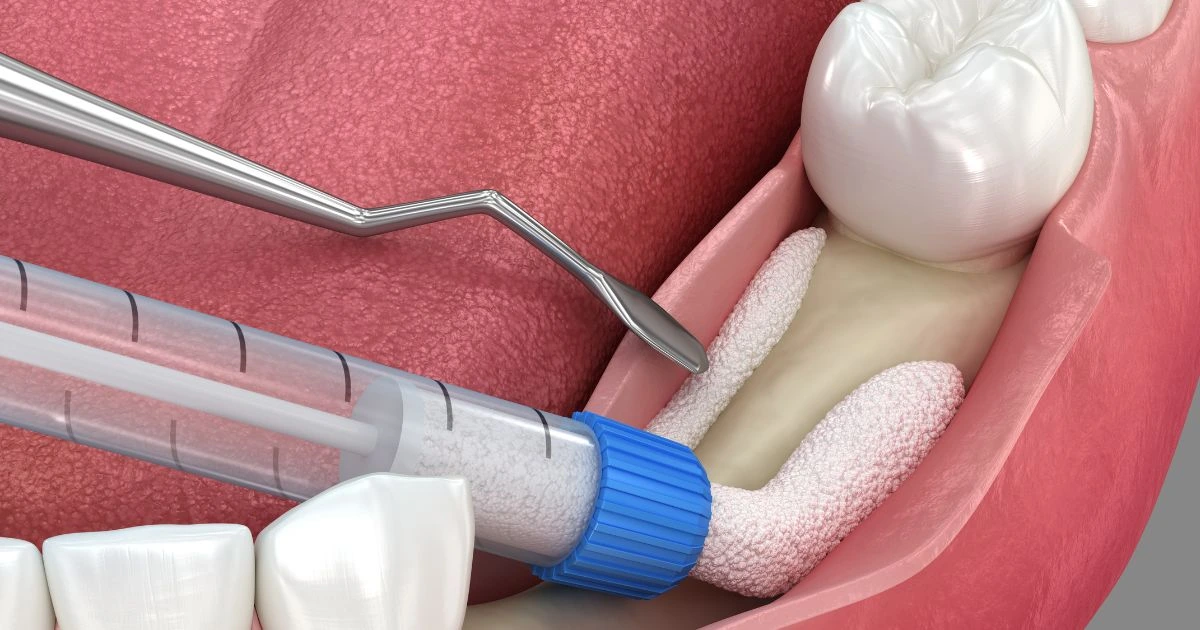
This does not automatically mean you cannot get implants. It simply means your dentist needs to confirm you have enough bone to support the implant, or discuss ways to rebuild that foundation. In some cases, a bone graft or sinus lift may be recommended to restore bone volume and improve implant support.
A good starting point is a clinical exam and imaging so your provider can evaluate gum health, bone structure, and your goals before mapping out a plan. This early evaluation also helps set realistic expectations. You will have a clearer picture of what is possible right away and what may require preparation first, which can make the overall process feel more manageable and less stressful.
2) “Am I A Candidate?” Is The Right First Question
When people ask about implant candidacy, they are usually asking: “Will implants work for my mouth and my health history?” Many strong candidates have healthy gums, sufficient jawbone, and are committed to oral hygiene and follow-up visits.
A few things can influence candidacy and timing, such as:
- Gum disease that needs treatment first
- Uncontrolled medical conditions that affect healing
- Smoking or habits that raise implant failure risk
- Teeth grinding or bite problems that need a plan
The point is not to “pass” or “fail” a test. It is to build the safest sequence, even if that means prepping the gums, adjusting the bite, or adding supportive procedures before implant placement. Taking these steps first can improve comfort, healing, and long-term success, which is why candidacy discussions are such an important part of the planning stage.
3) The Timeline Is Usually Longer Than You Expect (But For A Good Reason)
One of the most overlooked dental implant considerations is time. Many patients assume it is a quick, single-visit fix. In reality, the process typically involves multiple stages, including consultation, implant placement, healing, and then abutment and crown placement.
That healing phase exists because the implant needs time to integrate with the bone over several months. While that can feel slow, it is a major part of what makes implants so stable.
If you are replacing a visible tooth, ask about temporary options during healing so you can smile and speak confidently while the implant site is maturing. Temporary restorations are designed to maintain appearance and basic function while protecting the implant site, which can be especially reassuring in social or professional settings.
4) Comfort, Anxiety, And Recovery Should Be Part Of The Plan
A lot of people worry about pain, especially if they have had tough dental experiences before. The good news is that implant placement is commonly done with local anesthesia, and modern sedation techniques can make the procedure very comfortable, with most patients reporting only mild soreness afterward.
It helps to talk openly about:
- Dental anxiety (so your team can plan accordingly)
- What soreness is normal vs. what should be reported
- How you will eat for the first few days
- How follow-up visits will be scheduled
Most implant recoveries are very manageable, but your experience can be smoother when comfort planning is treated as a real part of treatment, not an afterthought. Clear post-procedure instructions, access to the dental team for questions, and realistic guidance on activity and eating all contribute to a smoother recovery period.
5) Know Which Implant Solution Fits Your Needs And Budget
Dental implants can replace a single tooth or support larger restorations when multiple teeth are missing. Options may include single-tooth implants or full-mouth dental implants, depending on how many teeth need replacement and what lifestyle fit you want.
Implants are also valued for long-term durability. With proper care, many implants can last 20 years or more, and they help preserve jawbone by stimulating natural bone tissue. Unlike removable options, implants stay anchored in place, which helps maintain bite alignment and can reduce stress on surrounding teeth over time.
Cost is another real-world consideration. Pricing depends on factors like the number of implants, materials, and complexity, and personalized estimates are typically provided during consultation. If you are comparing options, ask what is included in the estimate (surgical placement, restoration, imaging, follow-ups) so you can compare apples to apples.
If you want a quick “bring-this-to-my-appointment” checklist, here is a simple one. Writing these questions down ahead of time can help you stay focused during your visit and ensure you leave with clear next steps rather than lingering uncertainties.
- What is the condition of my gums and bone?
- Do I need a bone graft or sinus lift first?
- What is the expected timeline from start to final crown?
- What comfort options are available for me?
- What implant option best matches my goals (single tooth vs. larger restoration)?
Making A Confident Implant Decision
If you are exploring Dental Implants in Los Altos, CA, an assessment with Dr. Joseph Field can clarify your options, your timeline, and the best path forward for a result that looks natural and functions well.
A thoughtful conversation can make all the difference in feeling confident about your decision. Scheduling a one-on-one consultation allows you to ask questions, review your options, and move forward with clarity when the time feels right.