Skip to content

The landscape of reconstructive dentistry has undergone a fundamental paradigm shift, transitioning from analog approximations to highly exact digital workflows that prioritize structural longevity and biomechanical harmony. At our Los Altos practice, we recognize that the Silicon Valley demographic demands a level of precision that can only be achieved through the integration of artificial intelligence, advanced 3D imaging, and next-generation material science. Full mouth rehabilitation is no longer merely a restorative procedure but a comprehensive engineering endeavor. Under the clinical direction of Dr. Joseph Field, who brings over two decades of specialized surgical mastery to these complex cases, our protocols utilize alignment-first methodologies and preventive esthetics to ensure that every restoration functions flawlessly within the dynamic environment of the human stomatognathic system.
The Role of Advanced 3D Imaging and Digital Scanning
The foundation of any successful full mouth rehabilitation rests upon the acquisition of exact anatomical data. Historically, clinicians relied on physical impressions that were subject to volumetric distortion and material shrinkage. Today, we employ high-resolution intraoral scanners and Cone Beam Computed Tomography (CBCT) to capture the precise topography of the hard and soft tissues down to the micromillimeter. This digital replication allows us to analyze malocclusion, which is the pathological misalignment of the upper and lower dental arches, in a virtual space before any physical intervention occurs. By integrating AI-assisted modeling, our clinical team can simulate the exact biomechanical forces that will be exerted on the proposed restorations. This predictive capability ensures that the final occlusal scheme distributes masticatory loads evenly, thereby preventing premature material fatigue and preserving the underlying bone architecture.
Material Science and Light-Reflective Gradients
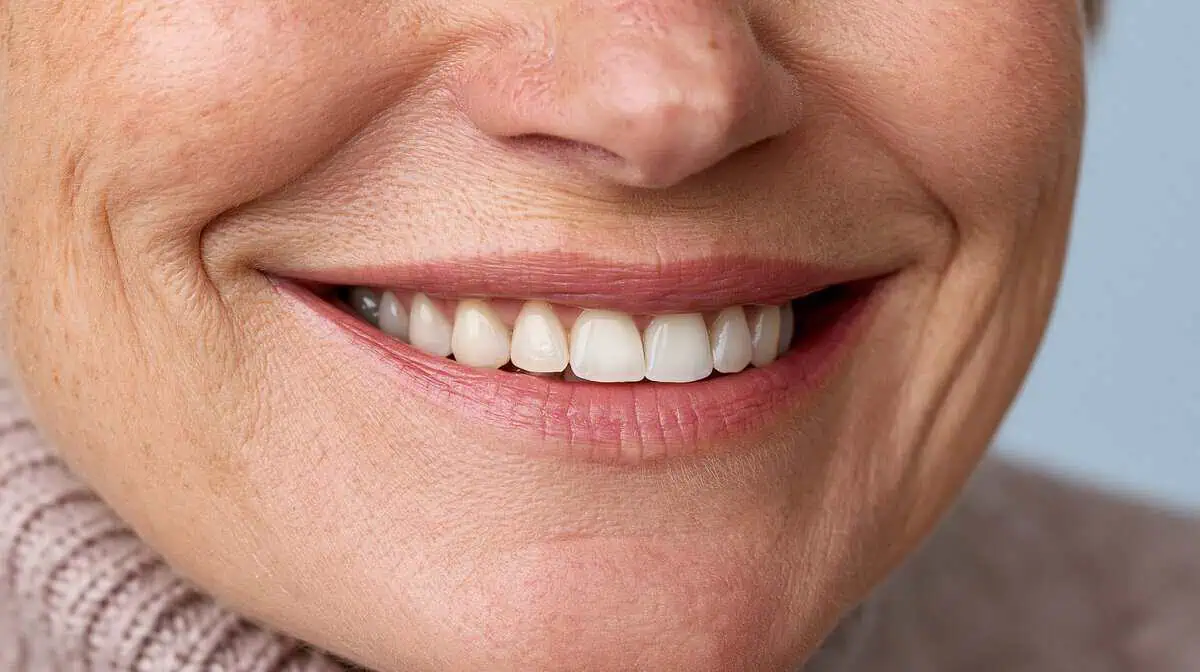
Beyond structural mapping, the evolution of dental ceramics has fundamentally altered our approach to reconstructive prosthetics. Modern full mouth rehabilitations frequently utilize monolithic zirconia and lithium disilicate, which are advanced materials engineered to withstand immense occlusal forces while mimicking the optical properties of natural enamel. We focus heavily on light-reflective gradients, a term that refers to the specific way light penetrates, refracts, and scatters through the varying translucencies of the ceramic structure, to achieve an outcome that is indistinguishable from biological dentition. When these advanced ceramics are paired with titanium implants, the process of osseointegration becomes critical. Osseointegration is the direct structural and functional connection between living bone and the surface of a load-bearing artificial implant. Dr. Joseph Field has pioneered in-house protocols that optimize this cellular bonding phase, ensuring that the foundation of the rehabilitation remains completely stable over decades of continuous use.
Procedural Efficiency Through Clinical Sedation
Executing a comprehensive digital workflow often requires extensive surgical and restorative phases to be completed within a single, highly coordinated session. To achieve maximum procedural efficiency and absolute precision during these complex full mouth rehabilitations, we utilize intravenous (IV) sedation. In our clinical framework, sedation is not viewed as a mechanism for patient anxiety management but rather as a critical operational tool. It allows our specialists to maintain a perfectly controlled surgical field, minimizing involuntary patient movement and enabling the meticulous execution of micromillimeter-level adjustments. This controlled environment is essential when implementing alignment-first protocols, where the exact positioning of every implant and ceramic unit dictates the long-term success of the entire oral framework.
Engineering the Future of Reconstructive Dentistry
The intersection of digital diagnostics, advanced material science, and precise surgical execution defines the 2026 standard of care in reconstructive dentistry. By treating the oral cavity as a complex biomechanical system, we deliver outcomes that offer unparalleled durability and functional integration. For those seeking a data-driven approach to comprehensive dental restoration, we invite you to explore the advanced methodologies utilized at our practice. Book a consultation today to learn how our clinical brain trust can engineer a structurally sound and aesthetically refined outcome for your specific anatomical needs.