Skip to content
When a tooth cracks, goes missing, or wears down over the years, the change you notice first is usually the one you can see. What’s harder to see is everything that shifts behind it: how you chew on one side to avoid a sore spot, how certain foods quietly drop off your plate, how your jaw feels by the end of a long day.
Reconstructive dentistry exists to address that hidden layer, and its results extend well beyond appearance. At Dr. Joseph Field’s practice, this care starts from a simple idea: a mouth is built to work, not just to look complete.
How does reconstructive dentistry benefit your health beyond the way your smile looks?
It restores damaged, missing, or worn teeth so your bite functions properly again, allowing you to chew and speak comfortably. That functional repair also protects your jaw and remaining teeth from the strain and damage uneven wear causes over time.
What Is Reconstructive Dentistry?
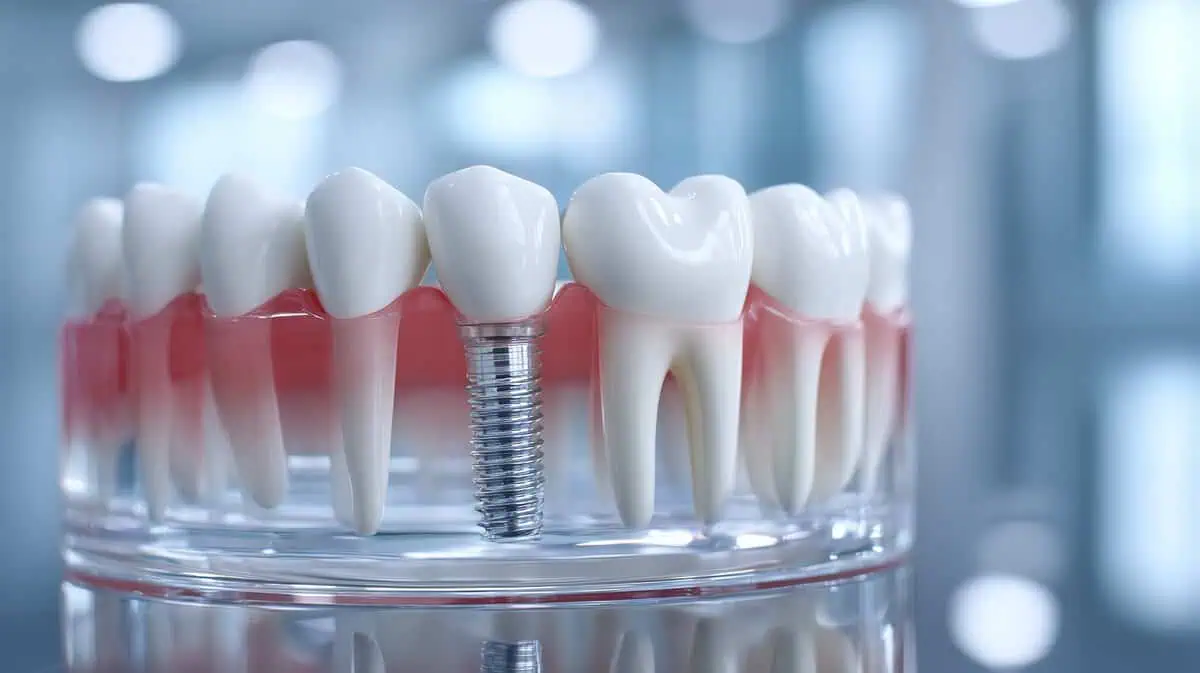
Reconstructive dentistry restores the health, function, and structure of teeth that have been damaged, lost, or worn down. The aim is to rebuild your bite so your teeth meet and work together properly, rather than simply filling gaps for the sake of a fuller smile.
The problems it addresses are the everyday ones people live with longer than they should: a tooth broken by an old filling or an accident, surfaces worn flat from years of grinding, gaps left by missing teeth, or a bite that no longer lines up evenly.
Each issue changes how the whole system functions, and functional smile restoration brings that system back into balance. This is care focused on how you eat, speak, and move through your day, with the look of your smile following from restored function.
Why a Healthy Bite Affects More Than You Think
Your bite is a force distribution system. Every time you chew, pressure spreads across all of your teeth, and a full, even bite shares that load so no single tooth takes more than its share. When teeth go missing or wear down, that balance breaks, and the force concentrates on the remaining teeth to do the work.
That concentrated pressure is where trouble starts. Teeth carrying extra load wear faster, develop cracks, and strain at the roots, setting off a slow chain of damage that’s easy to miss until it becomes painful. A stable, balanced bite is the quiet foundation on which most other oral health benefits rest, which is why rebuilding it is the starting point of nearly every reconstructive plan.
Restoring How You Chew, Eat, and Speak
Chewing is the part of digestion most people never think about, and it’s the first thing to suffer when teeth are missing or sore. People adapt without noticing: skipping the crunchy salad, avoiding a steak, and favoring soft foods that are easier on a tender spot.
Over time, those adjustments can narrow a diet in ways that affect nutrition. Rebuilding chewing surfaces gives you back the ability to break food down properly, and many patients only realize how much they’d been working around their teeth once full function returns.
Speech depends on your teeth, too. Your tongue, lips, and teeth work together to shape sound, so missing or shifted teeth can soften speech into a slight lisp or an unclear word.
Restoring that structure often restores clearer speech, and the confidence that comes with it tends to follow from the restoration of function rather than standing in for it. The health benefits of dental reconstruction show up at the dinner table and in conversation as much as anywhere else.
Preventing Small Problems From Becoming Big Ones
A single missing tooth rarely stays a single problem. The teeth beside the gap drift toward the open space, and the tooth above or below it can over-erupt, reaching for the spot its partner used to fill. One small gap becomes a bite that no longer lines up, and the original issue spreads to perfectly healthy teeth.
Worn and cracked teeth follow a similar pattern. Left alone, they tend to worsen, and a crack that starts at the surface can work its way toward the nerve, turning a manageable repair into more involved care. Reconstructive treatment is valuable precisely because it interrupts that chain early, protecting the healthy teeth you still have.
Protecting Your Jaw and Easing Discomfort
An uneven or collapsed bite asks your jaw to do extra work, and the jaw joint and surrounding muscles absorb the difference. When the upper and lower teeth don’t meet evenly, the muscles compensate to find a comfortable resting position, and that constant compensation leaves the area strained.
For many people, that strain shows up as soreness around the jaw, tension that creeps into the temples, or difficulty opening and closing smoothly. Restoring proper bite height and alignment takes pressure off the joint and lets those muscles settle, and most patients notice a real difference in comfort once the bite is balanced.
This is relief and support rather than a guaranteed fix for every jaw condition, and an evaluation determines if discomfort is bite-related in the first place.
How a Personalized Plan Supports Long-Term Health
At Dr. Joseph Field’s practice, that means a comprehensive look at how your teeth meet and where wear and damage have occurred before any decision is made about rebuilding them.
A strong reconstructive plan solves the problem in front of you while accounting for how your bite will hold up years down the line. That long view is why reconstructive dentistry in Los Altos, CA, and Lehi, UT, begins with understanding your specific situation. If you’ve been living with a dental problem and wondering if it’s worth addressing, a conversation with a provider is the most useful next step.
Restore Your Smile and Protect Your Health
If a damaged, missing, or worn tooth has been changing how you eat, speak, or feel, the benefits of addressing it reach far beyond a better-looking smile. Restore your smile! Learn More about our reconstructive dentistry services and schedule your comprehensive dental evaluation, and let our team help you understand what restoring full function could mean for you.